Marc Freislinger Marc Freislinger

Do I Need a Home Inspection? What Every Arizona Home Buyer Should Know

You found a home you love in the Phoenix Valley, your offer was accepted, and now you're staring at a list of things that need to happen before closing. One of them is the home inspection. And you might be asking: do I really need one? Is it worth the money? Can I just skip it and save a few hundred dollars?

The short answer is yes, you need one. The longer answer explains why skipping a home inspection in Arizona is one of the riskiest financial decisions you can make as a buyer, what actually happens during the inspection process, and how to get the most value from it.

Why You Need a Home Inspection in Arizona

Arizona homes face environmental conditions that most of the country never deals with. The combination of extreme heat, monsoon storms, termites, hard water, expansive soil, and intense UV exposure creates a unique set of problems that aren't visible during a showing or an open house.

You can't see what's behind the walls. A home might look beautiful on the surface. Fresh paint, new flooring, and staged furniture can mask real problems. Your inspector evaluates the systems and structures that actually make the house function: the roof, foundation, electrical, plumbing, HVAC, and more. These are the components that cost $5,000 to $25,000+ to repair or replace when they fail.

Arizona-specific hazards are real. Subterranean termites operate year-round in the Phoenix Valley. Expansive soil causes foundation movement. Roofing underlayment deteriorates faster in Arizona's extreme UV exposure. Polybutylene plumbing pipes (installed in thousands of Valley homes in the 1980s and 1990s) are prone to sudden failure. An experienced Arizona inspector knows exactly where to look for these regional issues.

It's your biggest financial protection during the transaction. The home inspection is typically the most thorough evaluation of the property that occurs during the entire buying process. The appraisal verifies value. The inspection verifies condition. Without it, you're relying on the seller's disclosure and your own untrained eye to identify potentially tens of thousands of dollars in hidden issues.

What to Expect During a Home Inspection

If you've never been through a home inspection before, here's what the process looks like from start to finish.

Before the Inspection

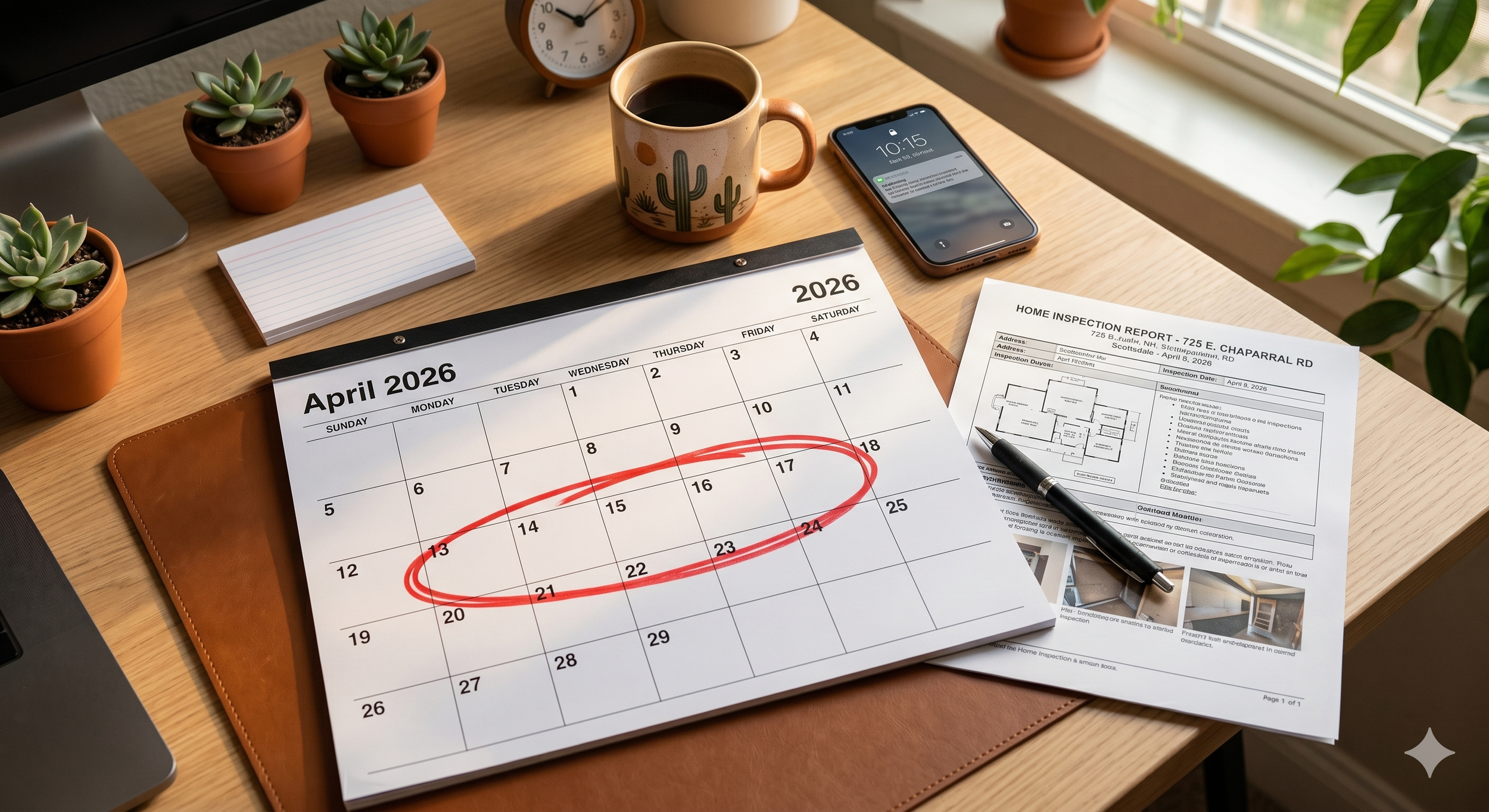
Once your offer is accepted in Arizona, the standard AAR (Arizona Association of Realtors) contract gives you a 10-day inspection period. You'll want to schedule your inspection as early in this window as possible to give yourself maximum time to review findings and negotiate if needed.

When you book the inspection, let the company know the property's square footage, age, and whether you need any add-on services like termite, pool, or sewer scope inspections. This helps them schedule the right amount of time and ensure the inspector is prepared.

During the Inspection

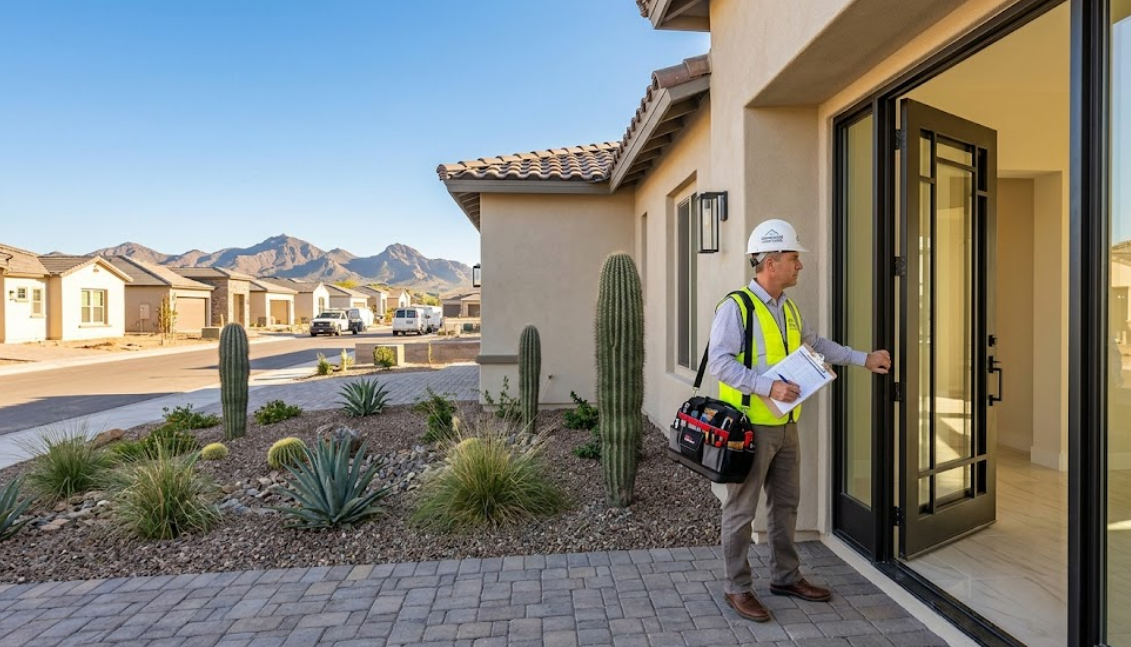
A standard home inspection takes 2 to 4 hours depending on the property's size and condition. You are encouraged to attend the inspection. Walking the property with the inspector gives you the opportunity to ask questions, see issues firsthand, and understand the context behind each finding.

Your inspector will methodically evaluate every accessible system and component in the home:

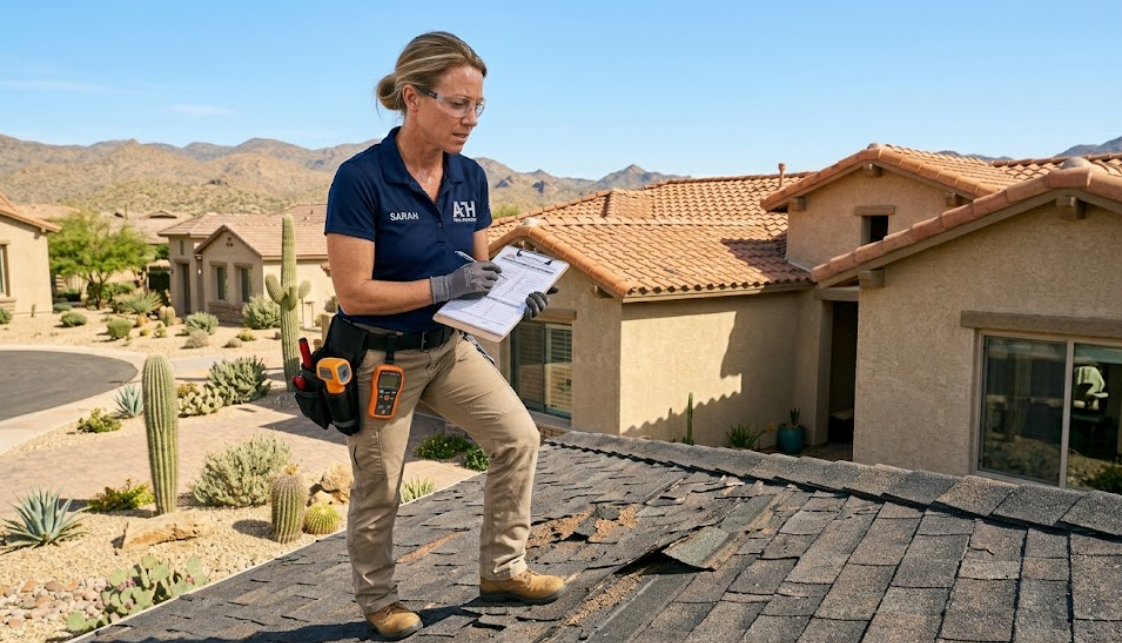
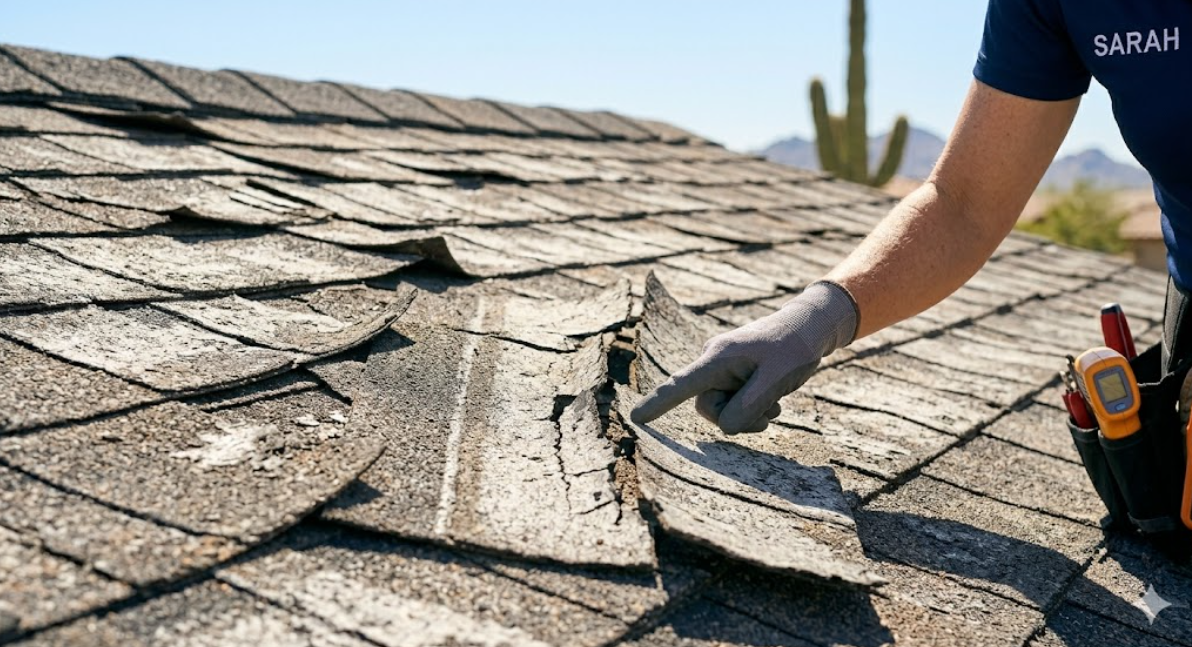
Exterior: Roof condition, siding/stucco, grading and drainage, driveways, walkways, fencing, and the overall condition of exterior surfaces. In Arizona, your inspector is specifically looking at monsoon drainage patterns, stucco condition, and UV damage to exposed materials.

Interior: Walls, ceilings, floors, windows, doors, stairs, and built-in features. The inspector looks for evidence of water damage, structural movement, and deferred maintenance.

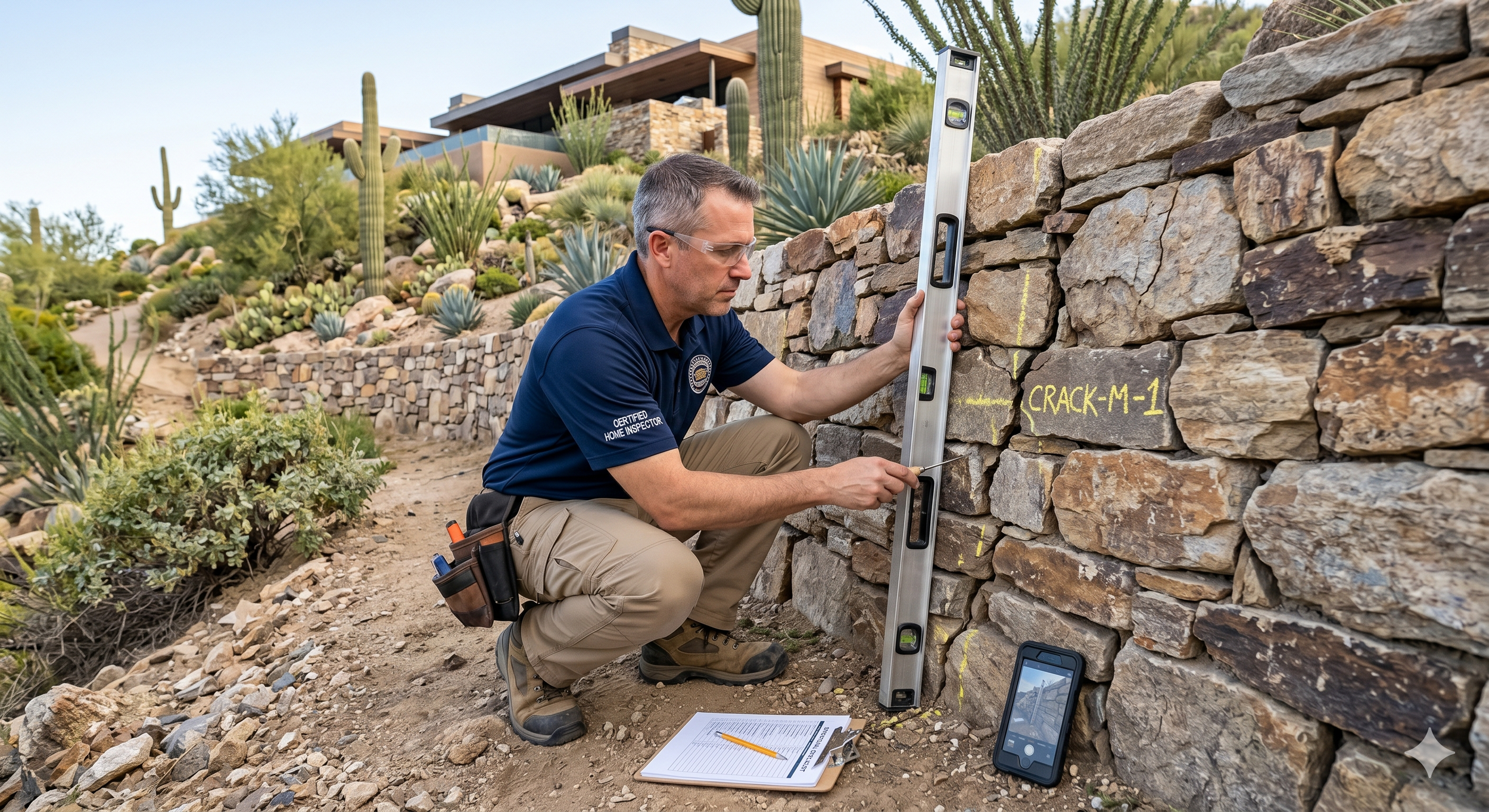
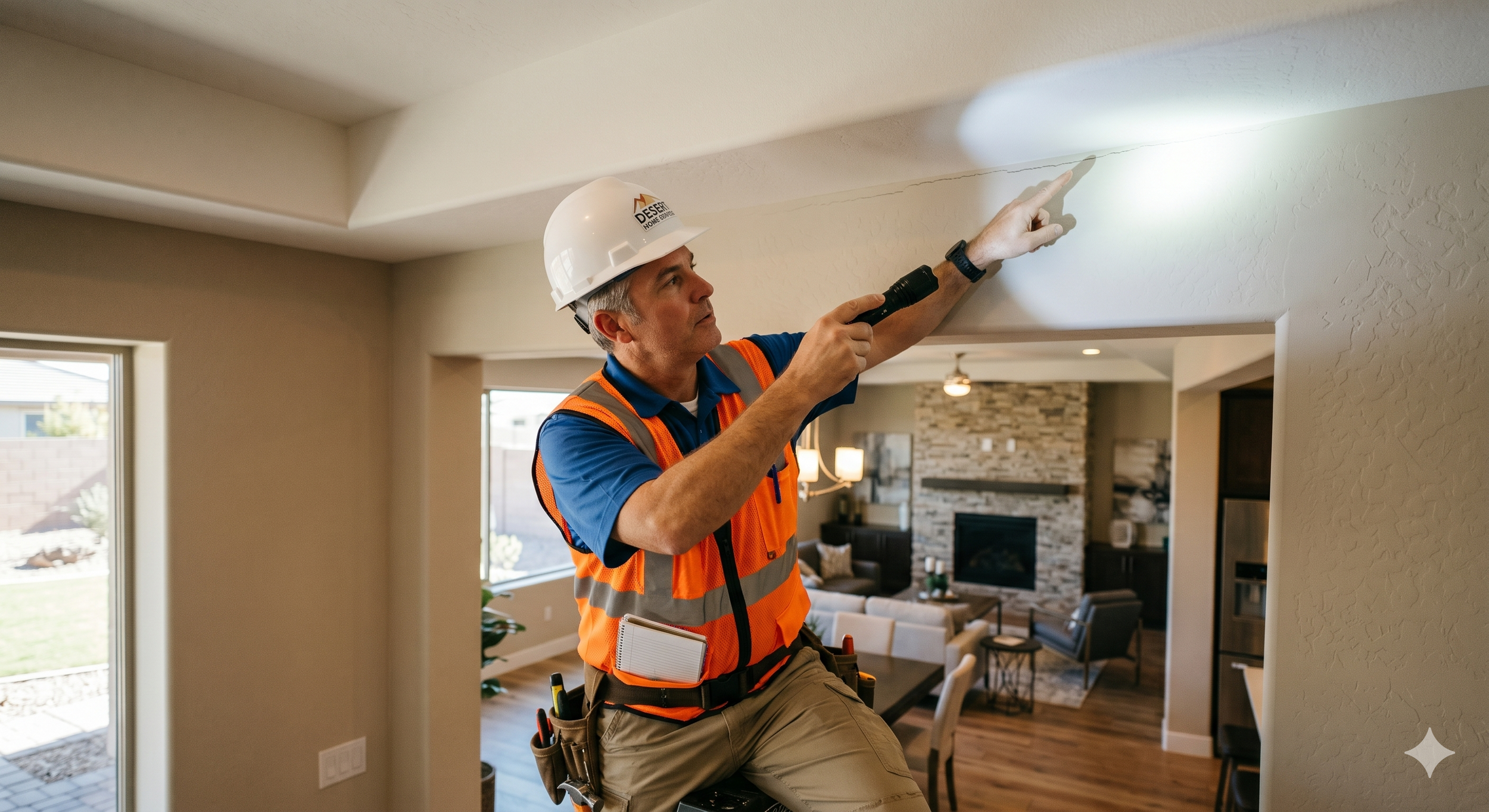
Structural: Foundation, framing, and structural components. Arizona's expansive soil means foundation evaluation is particularly important. Your inspector is looking for cracks, settling, and signs of movement.

Electrical: Service panel, wiring, outlets, switches, and safety devices. Older homes in established Phoenix neighborhoods sometimes have outdated panels or aluminum wiring that presents safety concerns.

Plumbing: Supply pipes, drain pipes, water heater, fixtures, toilets, and water pressure. Arizona's hard water causes accelerated wear on plumbing systems, and your inspector should identify the pipe material throughout the home.

HVAC: Heating and cooling systems, ductwork, thermostats, and filters. Given that Arizona air conditioning runs 6 to 8 months per year, HVAC evaluation is one of the most critical components of a Valley home inspection.

Attic and Insulation: Ventilation, insulation depth, moisture, and general attic condition. Attic temperatures in Arizona homes can exceed 150 degrees in summer, making proper ventilation and insulation essential.

Additional Systems: Garage door and opener, built-in appliances, bathroom ventilation, and any accessible crawlspace areas.

After the Inspection

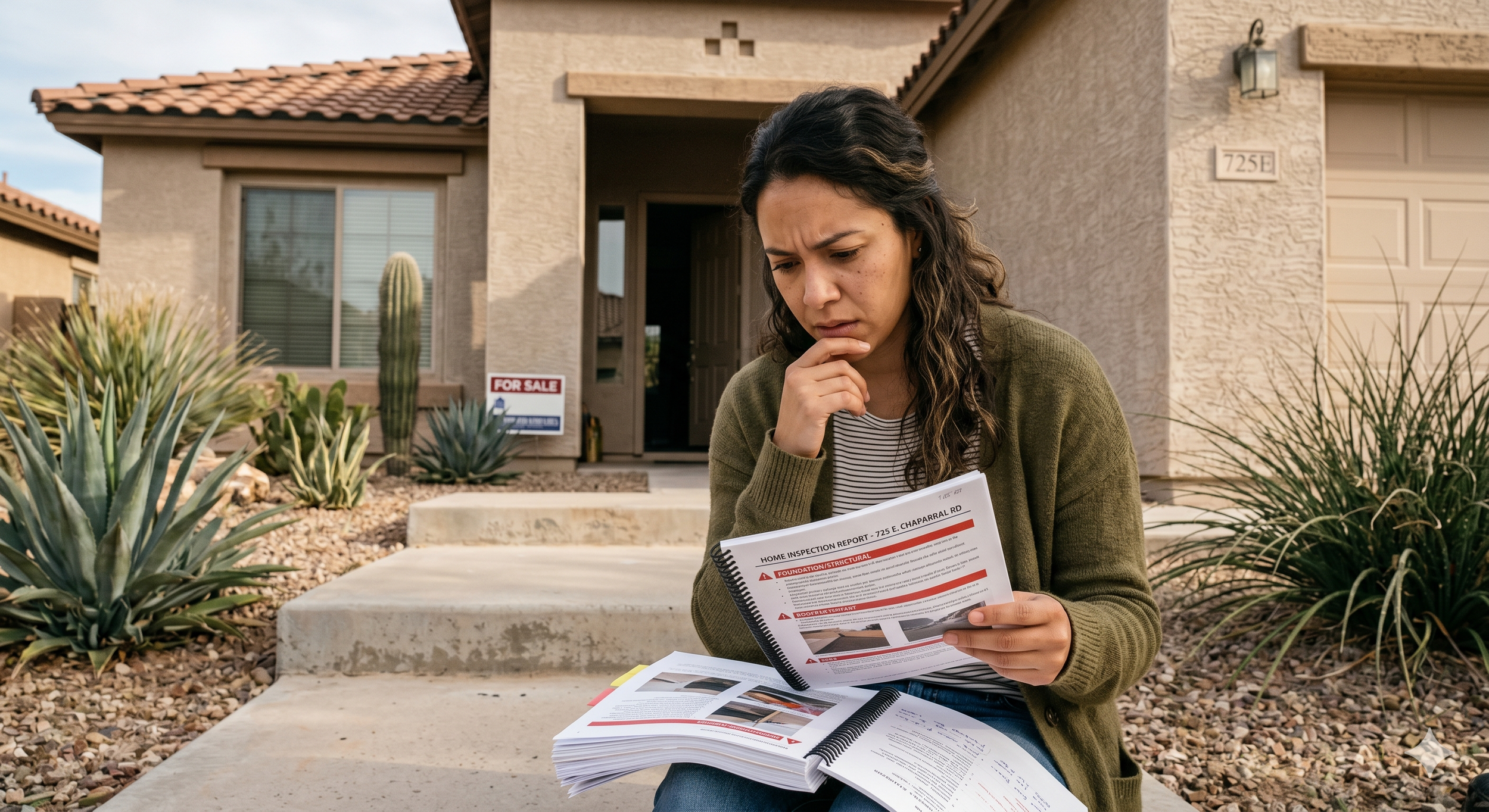
Your inspector delivers a written report documenting every finding with descriptions and photographs. In Arizona's competitive market, report turnaround time matters. Same-day or next-day delivery gives you maximum time within your 10-day inspection period to review, get repair estimates, and respond through the BINSR process.

The report categorizes findings by severity. Safety hazards and major defects require the most attention. Minor maintenance items and cosmetic observations are noted but typically don't affect negotiations.

Home Inspection Tips for Arizona Buyers

Getting the inspection is step one. Getting the most from it requires some preparation.

Schedule early in your inspection period. Don't wait until day 7 of a 10-day window. If your inspector finds significant issues, you'll need time to get contractor estimates, consult with your agent, and submit your BINSR.

Attend the inspection. Walking the property with your inspector is one of the most educational experiences of the home buying process. You'll learn how the home's systems work, where the shutoffs are, what maintenance to prioritize, and what to watch for over time.

Ask questions. No question is too basic. If your inspector identifies something and you don't understand the significance, ask. A good inspector explains findings in plain language and helps you understand the difference between a minor maintenance item and a serious concern.

Don't panic over the report. Every home has findings. Even new construction homes have issues. The purpose of the inspection isn't to find a "perfect" house. It's to understand the condition of the house you're buying so you can make informed decisions.

Focus on safety and big-ticket items. A dripping faucet and a cracked electrical panel are not equivalent concerns. Prioritize findings that affect safety, structural integrity, and high-cost systems (roof, HVAC, foundation, plumbing, electrical).

Get estimates for major findings. If your inspector identifies a significant issue, getting a repair estimate from a licensed contractor gives you specific numbers to work with during negotiations. "The roof needs repair" is weaker than "the roof needs $12,000 in repairs per XYZ Roofing's estimate."

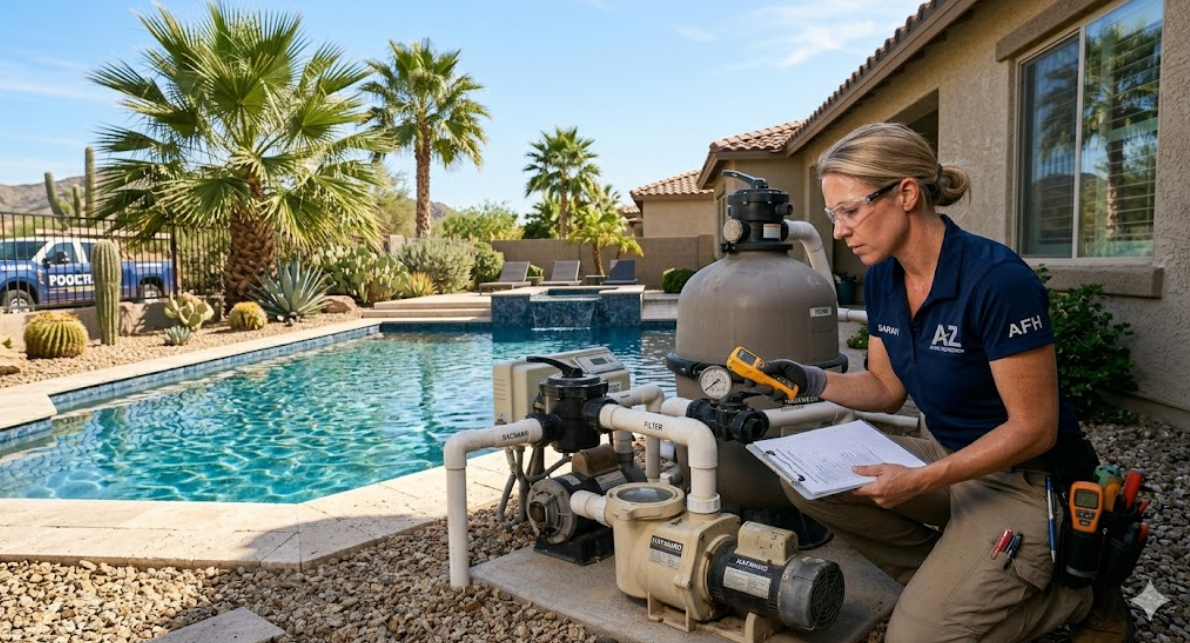
Consider add-on inspections. In Arizona, a termite inspection is almost always worthwhile. If the home has a pool, a pool inspection can identify equipment issues and safety concerns. For older homes, a sewer scope inspection can reveal pipe deterioration that causes expensive problems later.

When Can You Skip a Home Inspection?

There are very few scenarios where skipping a home inspection makes financial sense, but here are the situations where buyers sometimes consider it:

Competitive bidding wars sometimes pressure buyers to waive the inspection contingency to make their offer more attractive. This is high risk. You're committing to purchase a property without knowing its true condition. If the seller has been covering up a major issue, you own it. In a market where homes routinely sell for $300,000 to $600,000 in the Phoenix Valley, gambling $400 in inspection costs to save time is a decision that can cost you thousands.

Investor purchases with plans for a complete renovation sometimes skip inspections because they intend to replace major systems regardless. Even then, an inspection helps identify issues (like foundation problems or environmental hazards) that affect the scope and cost of the renovation.

The bottom line: unless you're prepared to accept full financial responsibility for whatever condition the home is in, you need a home inspection.

What a Home Inspection Does NOT Cover

Understanding the limits of a standard home inspection prevents surprises:

Cosmetic issues like scuffed floors, paint condition, and minor drywall imperfections are not covered. The inspection focuses on structural, mechanical, and safety items.

Areas that aren't accessible can't be evaluated. If the attic hatch is sealed, the crawlspace entrance is blocked, or personal belongings prevent access to electrical panels, those areas may not be fully inspected.

Specialized systems like solar panels, septic systems, wells, and sprinkler systems may require separate specialized inspections.

Compliance with building codes is not within the standard scope. Your inspector evaluates condition and safety, but does not perform a code compliance review.

Environmental hazards like asbestos, lead paint, radon, and mold testing typically require separate testing by certified specialists. Arizona homes built before 1978 may contain lead-based paint, and asbestos was commonly used in insulation and floor tiles in older Valley homes.

Frequently Asked Questions

Is a home inspection required in Arizona?

A home inspection is not legally required in Arizona, but it is strongly recommended. The standard AAR residential purchase contract includes a 10-day inspection period specifically to give buyers the opportunity to evaluate the property. Skipping the inspection means giving up your most thorough opportunity to identify problems before you take ownership.

How much does a home inspection cost in Arizona?

Standard home inspections in Arizona cost between $300 and $600 for most residential properties, depending on the size and age of the home. Add-on services like termite inspection ($75 to $125), pool inspection ($100 to $200), and sewer scope ($150 to $300) are additional. For a detailed pricing breakdown, check out our complete guide to home inspection costs in Arizona. [INTERNAL LINK to Post #1]

Can a home inspection kill a deal?

A home inspection itself doesn't kill deals. However, the findings from an inspection can lead to negotiations that break down. If the inspection reveals major issues (foundation, roof, HVAC, electrical) and the seller refuses to address them, the buyer may choose to cancel the contract during the inspection period. This is actually the inspection doing its job: protecting you from buying a property with hidden expensive problems.

What's the difference between a home inspection and an appraisal?

An appraisal determines the market value of the home for the lender. It answers: "Is this home worth the purchase price?" A home inspection evaluates the physical condition of the home for the buyer. It answers: "What condition is this home actually in?" Both serve important but completely different purposes. An appraisal is required by the lender. An inspection protects you.

Should I get a home inspection on a brand new home?

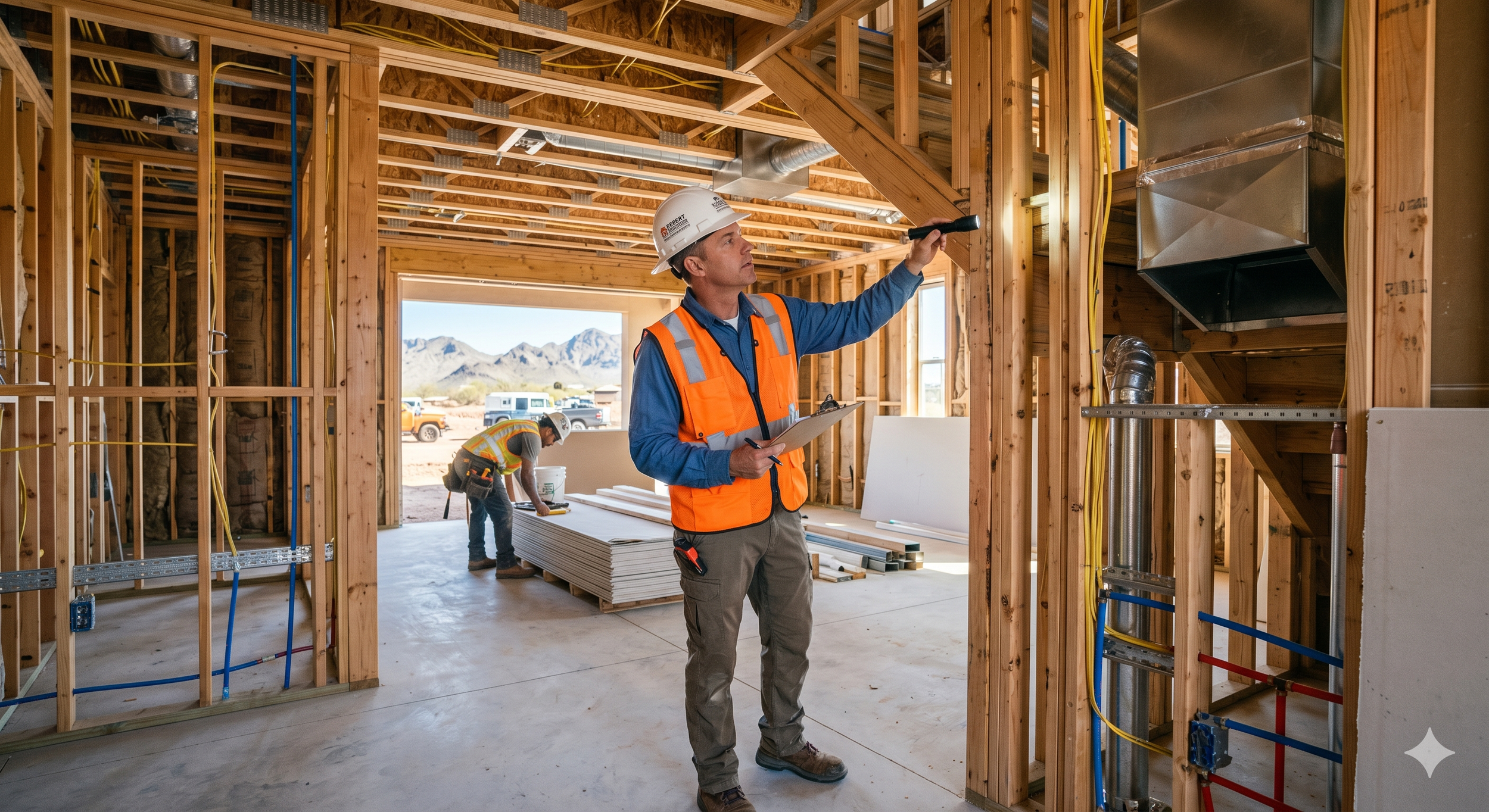
Yes. New construction is not exempt from defects. Inspections during the build process (pre-pour, pre-drywall, final) catch construction errors before they're hidden behind walls. Common issues found in new Arizona builds include improper framing, plumbing errors, HVAC installation mistakes, grading and drainage problems, and missing insulation. The cost of a new construction inspection is minimal compared to discovering these issues after your builder warranty expires.

What happens if I waive the home inspection?

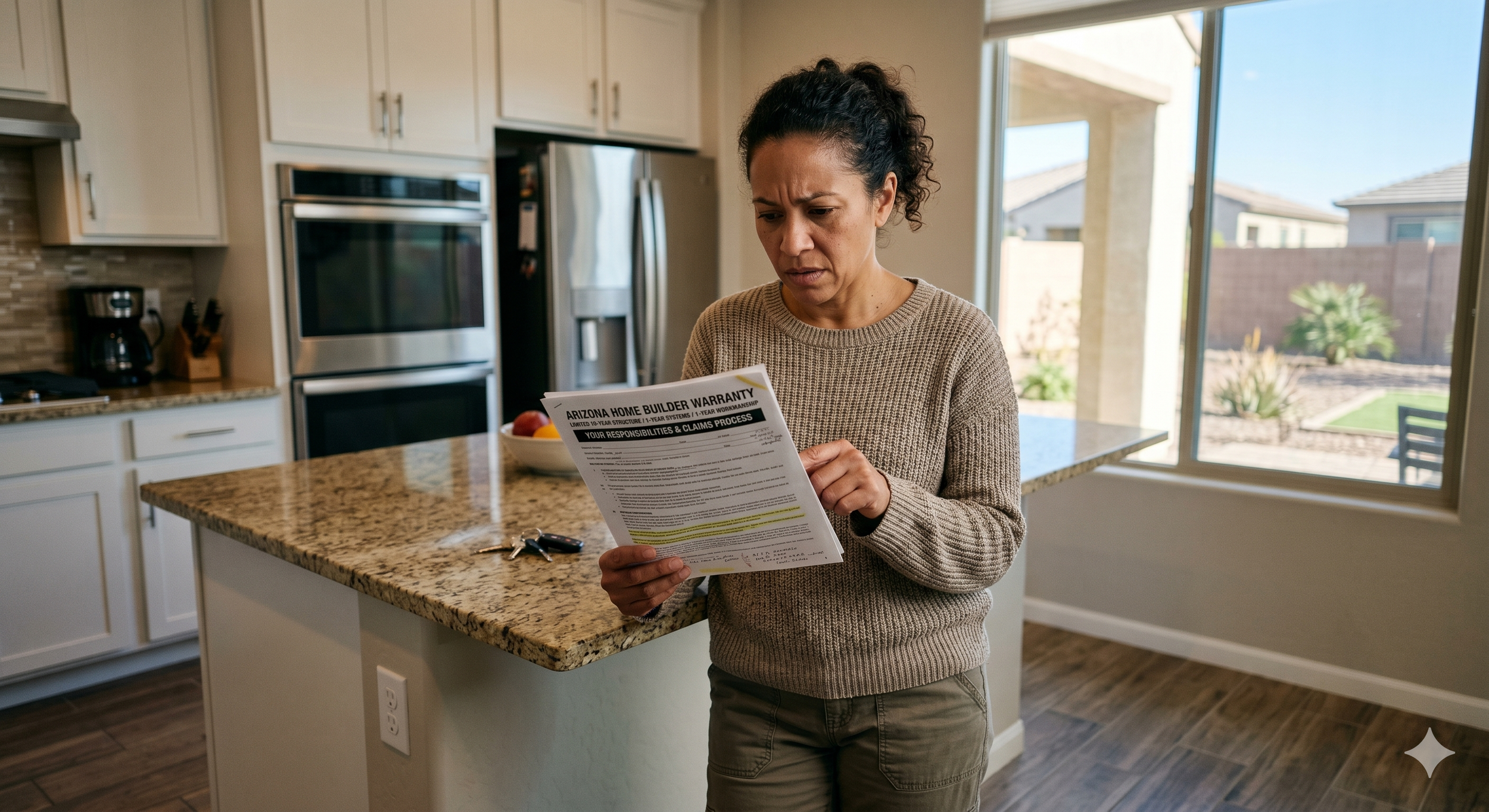
If you waive the inspection contingency and later discover major issues, you have very limited legal recourse. You'll be responsible for all repair costs. In Arizona, where homes regularly face issues from extreme heat, termites, hard water, and expansive soil, waiving the inspection is an outsized risk compared to the $300 to $600 cost.

Make Your Biggest Investment with Confidence

A home inspection doesn't tell you whether to buy the house. It tells you what you're buying. With that information, you can negotiate from a position of knowledge, budget for future maintenance, and move in without wondering what's lurking behind the walls.

Desert State Home Inspections has been helping Phoenix Valley buyers make confident decisions for over 25 years. With 25,000+ inspections completed by our team of Arizona state-certified inspectors, we deliver the thoroughness and speed your transaction demands. Same-day and next-day reports keep your deal on track.

Call (480) 585-6456 to schedule your inspection.

Read More
Marc Freislinger Marc Freislinger

What Fails a Home Inspection? 15 Red Flags Arizona Buyers Need to Know

Before we get into specifics, here's something every Arizona home buyer should understand: technically, nothing "fails" a home inspection. A home inspection isn't a pass/fail test. It's an evaluation. Your inspector documents the condition of the property and identifies defects, safety concerns, and items that need repair or monitoring.

That said, there are findings that will make you seriously reconsider a purchase, negotiate hard on price, or walk away entirely. After 25,000+ inspections across the Phoenix Valley, these are the issues that cause the most concern for buyers and the most friction during negotiations.

The 15 Most Common Home Inspection Red Flags in Arizona

1. Foundation Problems

Arizona's soil is brutal on foundations. Expansive clay soil in the Valley expands when wet and contracts when dry, creating a constant push-pull cycle on your foundation. Look for cracks wider than 1/4 inch, uneven floors, doors that stick or won't close properly, and visible separation between walls and ceilings. Foundation repair in Arizona typically costs $4,000 to $15,000 and sometimes more for severe cases.

2. Roof Damage and Deterioration

Arizona roofs take punishment from UV radiation, monsoon storms, and extreme temperature swings. Tile roofs are common throughout the Valley, and while the tiles themselves last a long time, the underlayment beneath them breaks down much faster in Arizona's heat. A failing underlayment can lead to leaks that damage everything below it. Roof replacement costs range from $8,000 to $25,000+ depending on the size and material.

3. HVAC System Failures

In a state where summer temperatures regularly exceed 110 degrees, air conditioning isn't optional. An aging or failing HVAC system is one of the most significant findings during an Arizona home inspection. Systems older than 15 years are approaching the end of their useful life, and replacement costs run $5,000 to $12,000. Your inspector should test the system's performance, check refrigerant lines, evaluate the condenser and air handler, and note the unit's age and maintenance history.

4. Electrical Panel and Wiring Issues

Outdated electrical systems are a safety hazard and a potential dealbreaker. Common finds in Arizona homes include Federal Pacific or Zinsco panels (both known for failure rates that create fire risk), aluminum wiring in homes built during the 1960s and 1970s, double-tapped breakers, and missing GFCI protection in kitchens, bathrooms, and exterior outlets. Panel replacements cost $1,500 to $4,000. Whole-house rewiring can exceed $10,000.

5. Plumbing Defects

Arizona's hard water accelerates pipe degradation. Homes built in the 1980s and 1990s throughout the Valley often have polybutylene supply pipes, which are known to fail suddenly and cause significant water damage. Other common plumbing finds include corroded galvanized drain pipes, active leaks under sinks or behind walls, low water pressure from mineral buildup, and water heater issues (age, corrosion, improper installation). Sewer line replacement runs $3,000 to $7,000, and whole-house re-piping costs $4,000 to $10,000.

6. Water Intrusion and Moisture Damage

Arizona is dry most of the year, but monsoon season brings intense rainfall that overwhelms drainage systems. Improper grading around the foundation, missing or damaged gutters, and poor drainage can direct water toward the home instead of away from it. Water intrusion leads to drywall damage, mold growth, wood rot (yes, even in the desert), and foundation issues. Look for water stains on ceilings and walls, musty smells, and efflorescence (white mineral deposits) on concrete surfaces.

7. Termite and Wood-Destroying Organism Activity

Subterranean termites are active year-round in the Phoenix Valley. They enter homes through tiny cracks in the foundation and can cause extensive structural damage before you even notice. Common signs include mud tubes on foundation walls, hollow-sounding wood, and discarded wings near windowsills. Termite damage repair costs depend on the extent of the infestation and can range from a few hundred dollars for minor issues to tens of thousands for structural damage. A separate termite (WDI) inspection is strongly recommended for every Arizona home purchase.

8. Improper Grading and Drainage

This is one of the most overlooked issues in Arizona real estate. When the soil around your foundation slopes toward the house instead of away from it, every monsoon rain pushes water directly against (and potentially under) your foundation. Proper grading should direct water away from the foundation at a minimum slope of 6 inches over the first 10 feet. Fixing grading issues is relatively affordable ($500 to $2,000), but the damage from ignoring it can be catastrophic.

9. Pool and Spa Defects

Roughly 40% of Phoenix-area homes have a pool, and pool-related findings are extremely common during inspections. Issues include cracked or delaminating pool surfaces (resurfacing costs $3,000 to $7,000), failing pool equipment (pumps, filters, heaters), inadequate barrier fencing that doesn't meet current safety codes, missing or non-functional drain covers, and electrical safety issues with pool bonding and grounding. Pool repairs can add up quickly, so knowing the condition of the pool before closing is essential.

10. Missing or Improperly Installed Smoke and CO Detectors

Arizona building code requires smoke detectors in specific locations, and homes with fuel-burning appliances or attached garages should have carbon monoxide detectors as well. Missing, non-functional, or improperly placed detectors are a safety concern and a common finding. While this is an inexpensive fix ($100 to $300 for the whole house), it speaks to the overall maintenance of the property.

11. HVAC Ductwork Problems

Beyond the equipment itself, the ductwork in Arizona homes takes a beating. Ducts in unconditioned attic spaces are exposed to extreme heat and can deteriorate, disconnect, or develop significant leaks. Leaking ductwork means your air conditioning is partially cooling your attic instead of your living space, driving up energy costs and reducing comfort. Duct repair or replacement costs $1,000 to $5,000 depending on accessibility and extent.

12. Stucco Cracks and Damage

Stucco is the dominant exterior finish on Arizona homes, and cracking is common. Hairline cracks are generally cosmetic and result from normal settling and temperature expansion. However, larger cracks, cracks near windows and doors, or cracks combined with interior water stains can indicate structural movement or water intrusion behind the stucco. An inspector should evaluate whether cracks are cosmetic or indicative of a larger problem.

13. Windows and Doors with Failed Seals

Arizona's extreme heat breaks down window seals over time. When the seal between dual-pane windows fails, you'll see condensation or a foggy appearance between the glass panes. Failed window seals reduce energy efficiency and indicate the window has lost its insulating properties. Single window replacement runs $200 to $600 per window. For a home with 15 to 20 failed windows, the replacement cost can reach $5,000 to $10,000.

14. Attic Ventilation and Insulation Deficiencies

Proper attic ventilation and insulation are critical in Arizona. Inadequate insulation means your HVAC system works harder, costing more to operate and shortening its lifespan. Poor ventilation traps extreme heat in the attic space, which radiates down into the living area. Inspectors check for adequate insulation depth (R-38 minimum for Arizona), functional soffit and ridge vents, and proper bathroom exhaust fan routing (which should vent to the exterior, not into the attic).

15. Water Heater Issues

Water heaters in Arizona have a shorter lifespan than in many other states due to the extreme hard water and high ambient temperatures. Tank-style water heaters typically last 8 to 12 years in Arizona compared to 12 to 15 years in states with softer water. Common findings include sediment buildup, corrosion, improper temperature and pressure relief valve installation, and missing expansion tanks. Replacement costs range from $1,000 to $3,000 for standard units.

What to Do When Your Inspection Finds Red Flags

Finding issues during a home inspection isn't necessarily a reason to walk away. It's a reason to make informed decisions. Here's the process in Arizona:

Review the report carefully with your real estate agent. Your inspector should provide a detailed, well-documented report with photos of every finding. This is your negotiating tool.

Prioritize the issues. Safety hazards (electrical, structural, gas) come first. Expensive replacements (HVAC, roof, foundation) come second. Cosmetic issues come last. Not every finding is a dealbreaker.

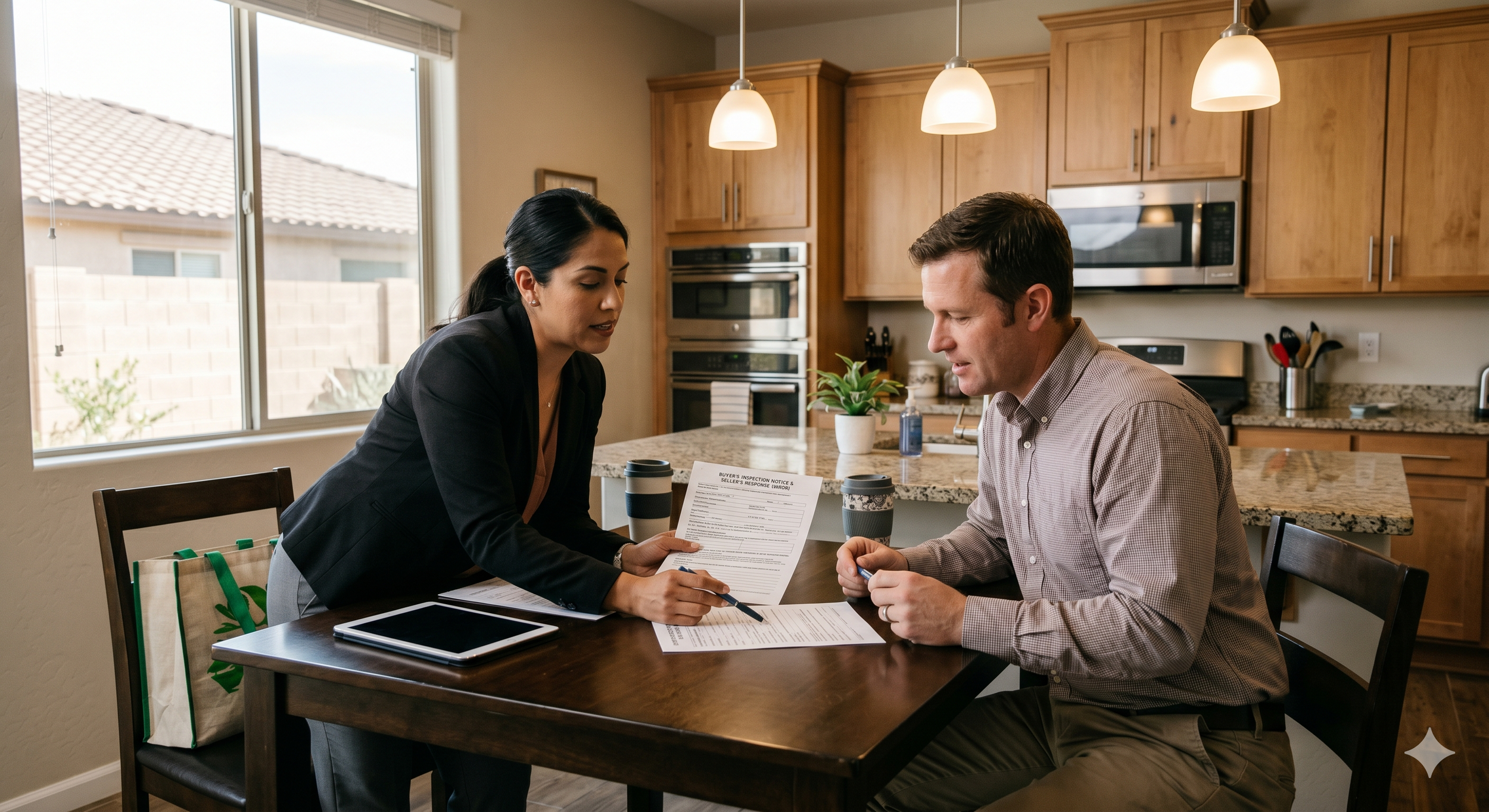
Use the BINSR process. In Arizona, the Buyer's Inspection Notice and Seller's Response (BINSR) allows you to formally request repairs, credits, or price reductions based on your inspection findings. Your agent will help you navigate this.

Get repair estimates for significant issues. Having a contractor's quote attached to your BINSR strengthens your negotiating position.

Make your decision. Some issues are fixable and negotiable. Others, like severe foundation problems or major structural concerns, may be enough to walk away. The inspection gives you the information to decide with confidence rather than surprise.

Frequently Asked Questions

What are the biggest deal breakers on a home inspection?

The issues that most often cause buyers to walk away or negotiate significant price reductions include foundation problems, extensive roof damage, failing HVAC systems, major electrical hazards, and active termite infestations. These represent large repair costs ($5,000 to $25,000+) and potential safety risks. In Arizona specifically, foundation and HVAC issues are among the most common high-cost findings.

Can a house fail an inspection in Arizona?

No, a home inspection is not a pass/fail test. It's a professional evaluation of the property's condition. The inspector documents findings and identifies defects, but does not "pass" or "fail" the home. The decision about what to do with the information belongs to the buyer and their real estate agent.

What should I worry about most during a home inspection in Arizona?

Foundation issues from expansive soil, HVAC condition (given Arizona's extreme heat), roofing underlayment deterioration from UV exposure, termite activity, and plumbing pipe material are the most significant Arizona-specific concerns. These issues can all result in major repair costs if caught after closing.

How long after an inspection can I back out of buying a house in Arizona?

In Arizona, the standard AAR (Arizona Association of Realtors) residential purchase contract includes a 10-day inspection period by default, though this can be negotiated. During this period, you can cancel the contract for any reason related to your inspection findings. Once the inspection period expires, your options become more limited. Timing your inspection early in this window gives you maximum flexibility.

Are cosmetic issues reported in a home inspection?

Professional home inspectors focus on structural, mechanical, and safety issues rather than cosmetic defects. Peeling paint, scuffed floors, and minor drywall imperfections are generally outside the scope of a standard home inspection. However, cosmetic issues that indicate underlying problems (like water stains suggesting a leak) will be documented.

Protect Your Investment with a Thorough Inspection

The purpose of a home inspection isn't to find reasons to kill a deal. It's to give you complete information about what you're buying. In a market like Phoenix where homes deal with extreme heat, monsoon moisture, termites, and desert soil conditions, a thorough inspection by an experienced team is the best protection your money can buy.

Desert State Home Inspections has been inspecting homes across the Phoenix Valley for over 25 years, with 25,000+ inspections completed. Our team of Arizona state-certified inspectors delivers same-day or next-day reports so you never miss a contract deadline.

Call (480) 585-6456 to schedule your inspection today.

Read More
Marc Freislinger Marc Freislinger

How Much Does a Home Inspection Cost in Arizona? (2026 Pricing Guide)

If you're buying a home in Arizona, one of the first questions you'll ask is: how much does a home inspection cost? The short answer is most home inspections in Arizona cost between $300 and $600, depending on the size of the home, the services you need, and who you hire.

But the real question isn't what it costs. It's what it costs you to skip one, or to hire the wrong inspector. Arizona homes deal with extreme heat, monsoon damage, termites, aging HVAC systems, and desert-specific foundation issues that don't exist in other states. A thorough inspection by an experienced team can save you thousands in surprise repairs after closing.

Here's a full breakdown of what you should expect to pay, what affects pricing, and how to make sure your investment in a home inspection actually protects you.

Average Home Inspection Cost in Arizona by Home Size

Home inspection pricing in Arizona is primarily driven by the square footage of the property. Larger homes take longer to inspect, require more documentation, and have more systems to evaluate.

Here's what you can expect across the Phoenix Valley in 2026:

Home Size (sq ft) Typical Cost Range

Under 1,000 sq ft: $275 - $350

1,000 - 1,500 sq ft: $325 - $400

1,500 - 2,000 sq ft: $375 - $450

2,000 - 2,500 sq ft: $400 - $500

2,500 - 3,500 sq ft: $450 - $550

3,500 - 5,000 sq ft: $500 - $650

5,000+ sq ft (luxury homes): $650 - $900+

These ranges reflect standard buyer home inspections. If you're looking at a larger estate in Scottsdale, Paradise Valley, or other luxury markets in the Phoenix area, expect to be at the higher end or above these ranges. Luxury homes often have complex HVAC zoning, pool and spa systems, guest houses, and custom construction that require additional time and expertise.

What's Included in an Arizona Home Inspection?

A standard home inspection in Arizona covers the major systems and structural components of the property. Your inspector should evaluate:

Structural Components include the foundation, walls, ceilings, floors, and roof structure. In Arizona, foundation issues related to expansive soil and extreme temperature cycles are particularly common. Your inspector should know what to look for in Arizona's unique desert conditions.

Roofing covers the condition of tiles, shingles, or flat roof membranes, flashing, gutters, and drainage. Arizona roofs take a beating from UV exposure and monsoon storms. Tile roof underlayment failures are one of the most common issues found during Phoenix-area inspections.

Electrical Systems include the service panel, wiring, outlets, GFCI protection, and overall electrical safety. Older homes in Mesa, Tempe, and central Phoenix may still have aluminum wiring or outdated panels that present safety concerns.

Plumbing covers supply lines, drain lines, water heaters, fixtures, and overall water pressure. Arizona's hard water causes significant mineral buildup over time, and polybutylene pipes (common in 1980s and 1990s Valley homes) are a known failure risk.

HVAC Systems include heating and cooling equipment, ductwork, thermostats, and overall performance. In Arizona, your air conditioning isn't a luxury. It's survival equipment. A failing A/C unit in July can cost $5,000 to $12,000 to replace, so knowing its condition before you close is critical.

Interior and Exterior covers windows, doors, siding, grading, drainage, and overall condition. Proper grading is essential in Arizona to prevent water intrusion during monsoon season.

Add-On Inspection Services and Their Costs

Beyond the standard inspection, several specialty inspections are common in Arizona transactions. These are typically separate line items:

Termite (WDI) Inspection: $75 - $125. In Arizona, termite inspections are almost always recommended. Subterranean termites are active year-round in the Phoenix Valley. Many lenders require a termite inspection for VA and FHA loans. This inspection identifies wood-destroying insects and organisms, but does not include treatment.

Pool and Spa Inspection: $100 - $200. With roughly 40% of Phoenix-area homes having a pool, this is a common add-on. The inspector evaluates the pool equipment, surface condition, decking, fencing, and safety features.

Sewer Scope Inspection: $150 - $300. A camera is sent through the main sewer line to identify blockages, root intrusion, pipe damage, or bellying. This is especially important for older homes in established neighborhoods throughout the Valley where clay or cast iron pipes may be deteriorating.

New Construction Phase Inspections: $300 - $500+ per phase. If you're building a new home, inspections at the pre-pour, pre-drywall, and final stages help catch issues before they're buried behind walls. This is common for new builds in areas like Goodyear, Buckeye, Queen Creek, and other fast-growing communities.

What Affects the Price of a Home Inspection?

Several factors determine where your inspection falls within the price ranges above.

Property size is the biggest factor. A 1,200 square foot condo in Tempe will cost significantly less than a 4,000 square foot home in Scottsdale. Larger properties simply require more time, more documentation, and more expertise.

Property age matters because older homes typically have more potential issues. A 1970s ranch in Mesa will often take longer to inspect than a 2020 build in Surprise because the older home has had decades for systems to age, settle, and develop problems.

Property type affects pricing. Multi-story homes, properties with guest houses or casitas, homes with complex mechanical systems, and commercial properties all require additional time compared to a standard single-story residential home.

Add-on services increase the total cost. If you need termite, pool, sewer scope, and standard inspection, you're looking at a package deal rather than a single service price. Many inspection companies offer bundled pricing for multiple services.

Inspector experience and company size influence pricing. A solo inspector in their first year may charge less than a team of state-certified inspectors with 25,000+ inspections behind them. But in real estate, you're protecting what is likely the largest purchase of your life. The difference between the cheapest and most experienced option is usually $50 to $100, which is insignificant compared to the cost of missing a major defect.

Is a Home Inspection Worth the Cost in Arizona?

Absolutely. Consider what a missed issue actually costs:

A roof replacement in Arizona runs $8,000 to $25,000+ depending on material and size. An HVAC replacement runs $5,000 to $12,000. Foundation repair can cost $4,000 to $15,000. Sewer line replacement runs $3,000 to $7,000. Electrical panel upgrades cost $1,500 to $4,000.

A $400 inspection that catches even one of these issues before closing either saves you the full repair cost (by negotiating with the seller) or gives you the information you need to make an informed decision about the purchase. Most inspectors find issues on virtually every property they inspect. The question isn't whether there are problems. It's whether you know about them before you own them.

For sellers, a pre-listing inspection ($300 to $500) can actually speed up your sale by identifying and addressing issues before buyers discover them during their own inspection. This reduces the chance of renegotiation, delayed closings, or deals falling apart entirely.

How to Choose a Home Inspector in Arizona

Not all inspectors are created equal, and price alone is a poor way to choose. Here's what to look for:

Arizona state certification is required by law (ARS 32-122). Every inspector performing home inspections in Arizona must be certified through the Arizona Board of Technical Registration. Verify credentials before hiring.

Experience and inspection volume matter more than most buyers realize. An inspector who has completed 25,000+ inspections in the Phoenix Valley has seen virtually every issue Arizona homes can present. An inspector who has completed 200 inspections may miss nuances that only come with years of hands-on experience.

Report turnaround time is critical in Arizona's competitive real estate market. Same-day or next-day report delivery can mean the difference between meeting your inspection contingency deadline and losing the deal. Ask about turnaround before booking.

Team size and availability affect your scheduling flexibility. Multi-inspector companies can typically accommodate tight timelines, weekend inspections, and same-week bookings better than solo operators.

Reviews and reputation provide social proof. Check Google reviews, Yelp, and BBB ratings. Look for consistency in feedback about thoroughness, professionalism, and communication.

Frequently Asked Questions

How much does a home inspection cost in Phoenix, AZ?

A standard home inspection in the Phoenix metro area costs between $300 and $600 for most residential properties. The exact price depends on the home's square footage, age, and any additional services like termite or pool inspections. Luxury homes in Scottsdale and Paradise Valley may run higher due to their size and complexity.

Who pays for a home inspection in Arizona?

In Arizona, the buyer typically pays for the home inspection. It's one of the buyer's due diligence costs during the inspection period outlined in the purchase contract. Sellers who want a pre-listing inspection pay for their own inspection separately.

How long does a home inspection take in Arizona?

A typical home inspection takes 2 to 4 hours depending on the property's size and condition. Larger homes, older properties, and homes with pools or additional structures may take longer. Your inspector should spend enough time to be thorough. Be cautious of any inspector who rushes through a property in under 90 minutes.

Can I negotiate repairs after a home inspection in Arizona?

Yes. The BINSR (Buyer's Inspection Notice and Seller's Response) process in Arizona allows buyers to request repairs, credits, or price reductions based on inspection findings. Your real estate agent will guide you through this process. A detailed inspection report with clear documentation gives you stronger negotiating leverage.

Should I get a home inspection on new construction in Arizona?

Yes. New construction homes in Arizona are not exempt from defects. Phase inspections during the build process (pre-pour, pre-drywall, final) catch issues that would be invisible once the home is finished. Common finds include improper framing, plumbing errors, HVAC installation issues, and grading problems. The cost of phase inspections is minimal compared to fixing construction defects after you've already moved in.

Do I need a termite inspection when buying a home in Arizona?

A termite inspection is highly recommended for any home purchase in Arizona. Subterranean termites are extremely active in the Phoenix Valley due to the warm, dry climate. Many lenders require a termite inspection (also called a WDI report) for VA and FHA loans. The inspection costs $75 to $125 and can identify active infestations or conditions conducive to future termite activity.

Ready to Schedule Your Arizona Home Inspection?

Whether you're buying your first home in Gilbert, a luxury property in Scottsdale, or a fixer-upper in central Phoenix, getting a thorough home inspection is one of the smartest investments you can make during the buying process. The cost of an inspection is a fraction of the cost of a surprise repair after closing.

Desert State Home Inspections has completed over 25,000 inspections across the entire Phoenix Valley over 25+ years. Every inspector on our team is Arizona state-certified, and we deliver same-day or next-day reports so you never miss a deadline.

Call us at (480) 585-6456 to schedule your inspection or learn more about our services.

Read More
Clint Whitney Clint Whitney

Why New Construction Inspections Are Essential in Arizona

Newly built doesn’t always mean flawless. In Arizona’s unique climate, hidden construction issues can cost you big. This blog explains why a new construction inspection is essential and how Desert State Home Inspections helps safeguard your dream home.

Buying or building a brand-new home in Arizona feels exciting—shiny appliances, fresh paint, and that unmistakable “new home” smell. But here’s the truth: new doesn’t always mean perfect. Even reputable builders in Phoenix, Scottsdale, or Chandler can make mistakes or overlook details that could cost you thousands.

From rushed construction schedules to Arizona’s extreme climate, hidden defects can appear long after move-in—sometimes right after your builder’s warranty expires. That’s where a professional new construction inspection comes in. It’s not about mistrusting your builder but protecting your investment and catching problems early.

In this blog, we’ll explain why these inspections are essential, the most common issues found, and how Desert State Home Inspections helps homeowners safeguard their dream homes.

1. Arizona’s Harsh Climate Impacts Construction Quality

Arizona’s scorching summers, heavy monsoon rains, and drastic temperature changes can put stress on even brand-new homes. Poor sealing around windows lets in dust and heat, improper roofing can lead to leaks, and foundations may crack if concrete isn’t cured properly.

A qualified inspector checks weatherproofing, insulation, and construction quality to ensure your home can withstand the local environment.

Book a new construction inspection in Arizona with Desert State Home Inspections to make sure your home is built to last.

2. Tight Builder Schedules Mean Mistakes Happen

Even the best builders work under tight deadlines, and subcontractors often juggle multiple projects. Small oversights—like missing screws on roofing panels—or serious issues—like incorrect wiring—can slip through.

An inspection catches these before you move in, giving the builder a chance to fix them while it’s still their responsibility.

Schedule your new construction inspection in Arizona and avoid costly post-move surprises.

3. Building Code Compliance Doesn’t Guarantee Perfection

While Arizona has strict building codes, city inspections typically focus on basic safety and may miss smaller but important details. Private inspections dig deeper, checking everything from attic ventilation to plumbing slopes.

This ensures your home not only meets the minimum code but exceeds it.

Go beyond basic compliance—trust Desert State Home Inspections for thorough quality checks.

4. Find Problems Before the Warranty Expires

Most builders offer a one-year warranty for workmanship and materials. Without an inspection before that period ends, you might miss the chance to have repairs covered at no cost.

An inspector documents all issues so you can have them fixed under warranty, saving you potentially thousands in repairs.

Don’t miss your warranty deadline—book a warranty inspection today.

5. Electrical & Plumbing Defects Are More Common Than You Think

In Arizona’s fast-paced housing market, electrical and plumbing work may be rushed. Problems like reversed outlets, poor pipe slopes, or missing pressure regulators are more common than many realize.

A professional inspection tests all outlets, verifies plumbing connections, and ensures systems are safe and efficient before you move in.

Get peace of mind—have Desert State Home Inspections check your plumbing and electrical systems.

6. Peace of Mind for Out-of-State Buyers

If you’re buying from out of state, a local inspector can be your eyes and ears. We provide detailed reports and photos, keeping you informed even if you can’t attend walkthroughs.

This is crucial in Arizona’s competitive market, where closing timelines are often short.

Moving to Arizona? Let us be your trusted local inspection partner.

7. Boost Resale Value and Save Long-Term

Homes that start in top condition are easier to maintain, need fewer repairs, and tend to hold value better. Documentation from a professional inspection also reassures future buyers.

Think of a new construction inspection as an investment in your home’s future—not just an upfront cost.

Start your homeownership journey right—schedule your inspection today.

Protect Your Arizona Home Investment

A brand-new home doesn’t guarantee perfection. Arizona’s climate, fast construction timelines, and varying contractor quality make a new construction inspection one of the smartest decisions a homeowner can make.

From preventing costly repairs to ensuring code compliance, Desert State Home Inspections gives you peace of mind from day one.

Contact us today for a thorough, reliable new construction inspection in Phoenix, Scottsdale, Mesa, Chandler, and across Arizona.

Your peace of mind starts here.

Read More
Clint Whitney Clint Whitney

Top Home Inspection Tips for Phoenix Homebuyers

Looking to buy a home in Phoenix? Don’t skip the inspection! This guide shares top home inspection tips every Phoenix buyer should know, so you can avoid hidden issues and feel confident in your purchase. Desert State Home Inspections ensures your new investment is safe and solid.

Top Home Inspection Tips for Phoenix Homebuyers | Desert State Home Inspections.

House hunting in Phoenix can feel like a desert dream. Blue skies, palm trees swaying, and every neighborhood boasting that irresistible Arizona charm. Maybe you’ve finally found “the one” with the open floor plan, backyard with a view, and just the right amount of Southwestern flair. You’re picturing sunsets on the patio already.

But here’s the reality check: even in paradise, homes can hide some pretty frustrating (and expensive) flaws. From cracked foundations to faulty AC systems, especially in a climate like Phoenix, these issues can sneak up on you if you are not careful. And once you've signed the dotted line, they become your problem.

That's where a solid home inspection makes all the difference. And not just any inspection, a thorough one, done right, by local experts who know the unique challenges Arizona homes face.

If you are buying a home in Phoenix, this blog is your guide to making sure you step into your new space with your eyes wide open. Let’s break down the top home inspection tips every Phoenix homebuyer should know.

1. Know What’s Unique About Phoenix Homes

Before diving into Phoenix home inspection checklist, it's important to understand what sets Phoenix properties apart. The hot, dry climate, expansive soil, and stucco exteriors all play a role in how homes are built and what can go wrong.

Look for signs of foundation movement, check for sun damage to exterior paint and roofs, and make sure HVAC systems are ready for those 110° days. If this seems confusing, let Desert State Home Inspections guide you through the desert-specific issues we see every day. We know Phoenix homes because we live here too!

2. Schedule Your Inspection Early in the Buying Process

Too often, Arizona homebuyers treat the inspection as a final step and something to check off the list. But an inspection should be a tool, not a formality. The earlier it’s scheduled, the more time you have to negotiate repairs or reconsider the purchase.

Schedule the inspection as soon as your offer is accepted. This gives you breathing room to respond to whatever comes up. Desert State Home Inspections offers flexible scheduling and prompt home inspection reports so you’re never left waiting.

3. Don’t Skip the Roof Even if It “Looks” Fine

In Phoenix, where there’s little rainfall, roofs often get overlooked. But the intense sun can cause serious wear and tear. Tile roofs may have cracked or missing pieces, and flat roofs (common in Arizona) can develop drainage issues or blisters.

Make sure your inspector checks both the roof’s surface and structure, and looks for any signs of leaks or damage. Our inspectors at Desert State Home Inspections check every inch to make sure your investment comes with a solid problem-free structure.

4. Pay Close Attention to the HVAC System

If there’s one system Phoenix homeowners can’t live without, it’s air conditioning. In summer, your AC doesn’t just keep you comfortable, it keeps you sane. A failing unit can mean thousands in repairs or replacement.

Have the system thoroughly tested. Look at age, maintenance history, and whether it’s cooling efficiently. Desert State Home Inspections takes HVAC checks seriously because we know that your comfort, peace of mind, and future coolness depend on it.

5. Plumbing Issues Hide in Plain Sight

Phoenix homes, especially older ones, may have plumbing issues lurking behind walls. From corroded pipes to slow drains and slab leaks, plumbing is a common culprit for post-purchase regret.

Inspect all visible pipes, fixtures, and water heaters. Ask for thermal imaging to detect hidden moisture. We at Desert State Home Inspections use advanced tools to uncover what your eyes can’t see. Call us and make sure your property comes with all its plumbing in perfect condition.

6. Watch Out for Stucco and Foundation Cracks

Older Phoenix homes may have outdated electrical systems or even panels that are no longer considered safe. Additions and DIY upgrades may also be improperly wired.

Check for GFCI protection, exposed wires, overloaded panels, and proper grounding. At Desert State Home Inspections, our inspectors are thorough because safety isn’t optional.

7. Electrical Panels and Outlets Need a Check

Older Phoenix homes may have outdated electrical systems or even panels that are no longer considered safe. Additions and DIY upgrades may also be improperly wired.

Check for GFCI protection, exposed wires, overloaded panels, and proper grounding. At Desert State Home Inspections, our inspectors are thorough because safety isn’t optional.

8. New Build? Don’t Assume It’s Perfect

New construction homes in Phoenix often go up quickly to meet demand, and that means mistakes happen. Even brand-new homes need inspections before closing and during the builder warranty period.

Schedule a new construction inspection before your final walkthrough and again at the 11-month mark. Desert State Home Inspections specializes in new construction inspections to catch what the builders missed.

Buying a home is one of the biggest financial decisions you will ever make, and in Phoenix’s hot market, it moves fast. But no matter how quickly things move, one thing shouldn’t be rushed: your professional home inspection.

A thorough, professional home inspection helps you avoid costly surprises, gives you negotiating power, and gives you peace of mind before you get the keys.

Desert State Home Inspections is proud to serve Phoenix buyers with detailed, honest, and friendly home inspections. Whether you are buying your first home or your fifth, we’re here to help you move in with confidence.

Ready to schedule your Phoenix home inspection? Book with Desert State Home Inspections today!

Read More
Clint Whitney Clint Whitney

The Complete Guide to New Construction Inspections in Arizona

Think a brand-new construction is flawless? Think again. Learn why every Arizona buyer needs a new construction inspection. From foundation to final walkthrough, Desert State Home Inspections ensures your new construction is safe, solid, and builder-error-free.

The Complete Guide to New Construction Inspections in Arizona | Desert State Home Inspections.

You’ve signed the papers, watched the walls go up, and finally reached the closing phase of your brand-new Arizona home. It’s been a journey of floor plan decisions, tile samples, and countless walkthroughs. But now that the house is almost ready, there’s one crucial step left that too many homeowners overlook: a new construction inspection.

Just because your construction is new does not mean it’s perfect. With dozens of contractors working under tight deadlines, even the best builders can miss things. A professional new construction inspection ensures your dream property is safe, code-compliant, and built to last.

In this blog, we will walk you through everything Arizona buyers need to know about new construction inspections, from what’s covered to when to schedule and why it matters.

Why Inspect a Brand-New Home?

It’s easy to assume a new home equals flawless construction, but that’s rarely true. In fact, some of the most common issues are found in new builds:

  • Incomplete roof flashing or poor ventilation

  • Plumbing that leaks or isn’t connected properly

  • Unsecured wiring or overloaded electrical panels

  • Improperly installed windows or insulation

These may not be visible to the untrained eye but can cause serious issues down the line. A thorough professional new construction inspection helps Arizona buyers catch these flaws before they become expensive problems.

Want your newly constructed property inspected? Contact Desert State Home Inspections today to ensure your brand-new home is not hiding costly surprises.

The Three Phases of New Construction Inspection

Pre-Pour (Foundation Stage)

Before concrete is poured, we inspect footings, trenches, and moisture barriers to ensure the foundation is solid. This stage helps prevent structural problems caused by soil movement or poor drainage.

Pre-Drywall (Framing & Systems)

This is the only time we can see plumbing, electrical, HVAC, and framing before the walls close up. We check everything from wiring safety to duct layout to ensure it’s done right the first time.

Final Inspection (Before Walkthrough)

Think of this as your final quality control check before move-in. We evaluate the roof, attic, grading, finishes, insulation, windows, and everything else that could affect your home’s integrity or comfort.

Schedule all three phases of new construction inspection with Desert State Home Inspections for complete peace of mind.

What’s Included in a New Construction Inspection?

A typical new construction inspection includes:

  • Foundation & Grading: Cracks, slope, drainage

  • Roofing & Attic: Shingles, flashing, insulation

  • Framing: Load-bearing structure, alignment

  • Plumbing: Leaks, drainage, water pressure

  • Electrical: Panels, wiring, outlets, GFCIs

  • HVAC: Seals, thermostat, airflow

  • Interior/Exterior Walls: Cracks, gaps, settling

  • Doors & Windows: Proper sealing and alignment

  • Appliances & Fixtures: Installed correctly and functioning

Each report includes photos and actionable insights you can share with your builder.

Desert State Home Inspections delivers detailed reports to help you hold your builder accountable and keep your new construction safe and strong.

Arizona-Specific Inspection Needs

Desert Soil & Foundation Shifts

Arizona’s expansive clay soils shrink and swell with moisture, affecting your home’s foundation over time. Early inspections help spot issues before they get worse.

Intense Heat & HVAC Efficiency

Triple-digit temperatures, poor insulation, or improperly installed HVAC systems can cost you big energy bills. Inspectors help ensure your Arizona home is energy-efficient and comfortable.

Monsoon Season Risks

Flawed grading or improper gutter systems can lead to flooding. Professional inspections thoroughly assess drainage, downspouts, and roof lines for monsoon readiness.

Arizona homes face unique challenges, and Desert State Home Inspections understands them all. Call us and secure your new construction today!

Benefits of New Construction Inspections in Arizona

Here are some of the many benefits of new construction inspections in Arizona:

  • Builder Accountability: Use your report to request repairs before closing.

  • Warranty Protection: Discover flaws while they’re still covered.

  • Prevent Expensive Repairs: Address issues now to avoid future costs.

  • Peace of Mind: Feel confident moving in with a clear report.

Don’t move in with questions! Get answers from Desert State Home Inspections. Call us now and schedule a thorough new construction inspection.

When Should You Schedule a New Construction Inspection?

Plan your inspections around your build timeline:

  • Pre-pour: Before the foundation is set

  • Pre-drywall: After rough-ins, before insulation

  • Final: Just before your builder walkthrough

Scheduling with time to spare allows your builder to fix issues without delaying closing.

Book all inspection phases with Desert State Home Inspections today and stay ahead of your builder’s timeline.

How to Prepare for Your New Construction Inspection?

  • Provide site access—especially attic, crawl space, and garage

  • Bring blueprints or builder plans

  • Be present to ask questions and learn about your home

It is normal for you to be confused and overwhelmed about the inspection process. But our Desert State Home Inspections inspectors are happy to walk you through every step and ensure you are informed about every step.

Why Choose Desert State Home Inspections for New Construction Inspections in Arizona?

Our track record says it all:

  • Over 25,000 inspections completed in Arizona

  • InterNACHI-certified, experienced local inspectors

  • Detailed, easy-to-read reports

  • Friendly, prompt service with a homeowner-first mindset

We treat your house like it’s our own. Whether it’s your first build or your fifth, we’ve got your back. So, choose the team Arizona trusts and call Desert State Home Inspections immediately!

Building a home is a major milestone, but without a thorough inspection, you could move into a house that hides costly problems. Don’t let minor oversights become major expenses.

Protect your new home today with a comprehensive inspection from Desert State Home Inspections and build a stronger, error-free home.

Read More
Clint Whitney Clint Whitney

Get a Professional New Home Warranty Inspection Near You

Even brand-new homes can hide costly flaws. A professional new home warranty inspection helps you catch issues before your builder’s warranty expires. Don’t miss your last chance to get repairs covered—schedule with Desert State Home Inspections today!

Professional New Home Warranty Inspection by Desert State Home Inspections.

Moving into a brand-new home? It’s exciting—everything’s shiny, spotless, and full of promise. But here’s the deal: even new homes can hide issues. Weird noises in the attic, an AC that quits mid-summer, or a leaky faucet—these things happen.

Why? Because homes are built fast, and sometimes things slip through the cracks. That’s why most Arizona builders include a one-year warranty. But once that year’s up, repairs are on you. A new home warranty inspection helps you catch problems before the clock runs out.

So, before that 12-month mark rolls around, it’s smart to bring in a pro, someone who knows what to look for, where the flaws like to hide, and how to document it all so your builder handles the fix.

And who better to trust than your friendly neighborhood experts at Desert State Home Inspections? We are here to help Arizona homeowners like you catch the “uh-ohs” before they become “oh nooooos.”

If you’re wondering about the whats, whys, and hows of a professional new home warranty inspection, this blog’s got you covered. Let’s answer all your questions so you know exactly what to expect and why it’s worth it.

Why You Shouldn’t Skip a New Home Warranty Inspection?

Many homeowners assume everything is good to go because their home is new. But hidden flaws don’t knock. They show up later, and they can be expensive.

Here’s why skipping that inspection can cost you:

  • You missed the builder repair window. Once the warranty expires, the cost of repairs comes straight from your pocket.

  • Some issues are invisible. You won’t spot that improper attic insulation or that slow plumbing leak without a trained eye.

  • Peace of mind is priceless. Knowing everything’s in great shape? That’s peace of mind you deserve.

Book a professional new home warranty inspection with Desert State Home Inspections and protect your investment before your warranty expires!

When Should You Schedule Your Home Warranty Inspection?

Timing is everything when it comes to home warranty inspections. If your builder offers a 12-month warranty, schedule the inspection around month 10 or 11. That gives you time to:

  • Review the inspector’s report

  • Submit the claim to your builder

  • Get the repairs handled within the warranty period

The sooner you book your new home warranty inspection, the more breathing room you’ll have. Reach out to Desert State Home Inspections now and get on the calendar before time runs out.

What Does a New Home Warranty Inspection Cover?

You might be wondering, “What exactly does the home warranty inspector look at?” Think of this inspection as a complete check-up for your home, from roof to foundation.

Here’s what our inspectors at Desert State Home Inspection typically check:

  • Roofing & Attic: Shingles, flashing, ventilation, insulation

  • Foundation & Grading: Cracks, settlement, drainage issues

  • HVAC Systems: Ductwork, heating, cooling, thermostat

  • Plumbing: Water pressure, drainage, leaks, visible piping

  • Electrical: Wiring, outlets, breakers, light fixtures

  • Interior & Exterior Walls: Cracks, settling, moisture damage

  • Windows & Doors: Proper sealing, alignment, and function

  • Appliances (if included): Functionality and installation

Each inspection has a detailed report you can pass to your builder. Contact Desert State Home Inspections and let our professionals ensure everything checks out.

Common Issues Found in New Homes (Yes, Even Yours!)

It might surprise you how often we find problems in homes less than a year old. Here are a few frequent flyers professional inspectors encounter:

  • Nail pops and drywall cracks

  • Leaking plumbing under sinks or in walls

  • Improper attic ventilation

  • Loose shingles or roof flashing

  • Settling concrete or a cracking foundation

  • Faulty outlets or switches

Most of these are not disasters yet. But catching them now saves you big bucks and more stress. Call Desert State Home Inspections and let our experts be your second set of eyes.

How to Prepare for Your Warranty Inspection

Good prep = better inspection results.

Before your appointment:

  • Make a list of any issues you’ve noticed

  • Clear access to the attic, garage, water heater, and electrical panel

  • Be home if possible so that you can walk through the findings

Your cooperation helps us do a thorough job. And our Desert State Home Inspections team is happy to answer all your questions along the way.

How Much Does It Cost? Is It Worth It?

Think of a new home warranty inspection like insurance. The small upfront cost can save you thousands later. On average, inspections in Arizona range between $300 and $500, depending on your home’s size and location.

Considering the average roof repair can run $2,000 or more, this one-time cost is a no-brainer.

Still on the fence? Reach out to Desert State Home Inspections for a FREE estimate and see how affordable peace of mind can be.

Buying a new home is a huge achievement. But protecting it? That’s where really smart homeowners shine. A home warranty inspection is your last chance to get builder-covered repairs before your one-year warranty says bye-bye. Don’t wait for something to break—find out what needs fixing while it’s still covered.

At Desert State, we are not just ticking boxes; we’re passionate about ensuring your dream home stays dreamy. With over 25,000 inspections completed in Arizona and certified inspectors who know new builds inside and out, we treat your home like it’s our own.

Ready to lock in your appointment? Visit Desert State Home Inspections and schedule your professional new home warranty inspection today.

Let’s make sure your brand-new home stays just as perfect as you dreamed it would be!

Read More
Clint Whitney Clint Whitney

The Complete Home Inspection Checklist for Arizona Buyers

A detailed home inspection checklist for Arizona buyers, covering critical areas like roofing, HVAC, plumbing, electrical, foundation, insulation, and more. It explains how Arizona’s climate affects homes and why a professional inspection is essential before closing a deal.

Desert State Home Inspections professional inspecting a house for a Buyer in Arizona.

Buying a home in Arizona is a big, exciting step! Whether you are settling in sunny Phoenix, charming Chandler, or scenic Scottsdale, finding your dream home can feel like a dream come true. But before you sign those papers and get your keys, you must do a thorough home inspection.

Think of a home inspection as your personal safety net. It helps you uncover hidden issues before they become expensive headaches. A detailed inspection is even more important in Arizona, where the desert climate and unique building styles create special challenges.

If you are about to buy a home in Arizona and are confused about what to look for, we are here to help!

Here’s a practical checklist to guide you through what to look for—and why calling in a professional like Desert State Home Inspections is always a smart move.

Let’s get started and look at your complete home inspection checklist!

1. Roof and Attic: Arizona’s Sun Can Be Brutal

Arizona’s intense sun and occasional monsoon storms can take a toll on roofs. During your home inspection, pay close attention to:

  • Missing or broken shingles

  • Cracked or aging tiles (very common in Arizona homes)

  • Signs of leaks or water damage

  • Proper attic ventilation (to keep your energy bills down!)

Roofs are expensive to repair, so you definitely want to know if there’s trouble up there before closing the deal. And if you are unsure what condition the roof is, call Desert State Home Inspections for thorough checks so you can make an informed decision!

2. HVAC System: Crucial in the Arizona Heat

In Arizona, your air conditioning system is not just important but essential. During your inspection, the HVAC unit should be checked for:

  • Age of the system

  • Cooling efficiency

  • Signs of leaks or worn parts

  • Dirty or clogged air filters

  • Thermostat functionality

Replacing an HVAC system can cost thousands; nobody wants to sweat it out in 110°F summers! Desert State Home Inspections will inspect the viability of your HVAC and save you the chaotic repair struggles, before you make the wrong decision.

3. Plumbing: Watch Out for Water Damage

Plumbing issues can be sneaky and expensive if left unnoticed. Your home inspection should cover:

  • Signs of water leaks under sinks, behind toilets, and around appliances

  • Water pressure testing

  • Inspecting for corrosion or aging pipes (especially important in older homes)

  • Checking the water heater for age, rust, or leaks

Water damage is a buyer’s nightmare as it is messy, costly, and can lead to mold problems. Get peace of mind with Desert State Home Inspections detailed plumbing checks and move into your new home with trust and confidence!

4. Electrical Systems: Safety First

Faulty electrical wiring is not just an inconvenience but a serious safety hazard. Your Arizona home inspection should include:

  • Checking the electrical panel and breakers

  • Inspecting outlets and light switches

  • Making sure wiring is up to code

  • Testing Ground Fault Circuit Interrupters (GFCIs), especially in kitchens and bathrooms

Arizona’s older homes sometimes have outdated electrical systems. Desert State Home Inspections carefully reviews the wiring to ensure your future home is safe for you and your family.

5. Foundation and Structural Elements: Arizona Soils Can Shift

Arizona’s desert soil can cause foundation movement over time. During your inspection, it’s important to check for:

  • Cracks in the walls, floors, or ceilings

  • Uneven floors

  • Doors and windows that stick

  • Signs of previous repairs

A strong foundation is non-negotiable for a safe, long-lasting home. You can trust Desert State Home Inspections to catch foundation red flags before they become your problem!

6. Exterior and Landscaping: More Than Curb Appeal

The Arizona sun, dust, and occasional floods can affect a home’s exterior more than you think. A good inspection should cover:

  • Condition of siding and stucco

  • Proper grading and drainage (to avoid flooding during monsoons)

  • Condition of driveways, patios, and walkways

  • The health of any retaining walls

Landscaping that slopes toward the house can lead to water intrusion, which you definitely want to catch early. Desert State Home Inspections’ thorough checks ensure your dream home’s exterior is as solid as it looks.

7. Windows and Doors: Seal the Deal (Literally!)

Properly sealed windows and doors are key to keeping your home cool in Arizona’s heat. During the home inspection, make sure:

  • Windows open, close, and lock properly

  • No cracks in window panes

  • Weatherstripping is intact

  • No signs of moisture between double-paned windows

Energy efficiency matters when you are battling summer temperatures! Desert State Home Inspections offers expert checks to confirm that your home is sealed tight and energy smart.

8. Insulation: Stay Cool (and Save Money!)

In Arizona, good insulation is not just about staying warm in winter; it is crucial for staying cool in the summer without raising sky-high utility bills. Your inspector should check:

  • Attic insulation thickness

  • Wall insulation, if possible

  • Insulation around pipes and ductwork

Poor insulation can mean higher bills and an uncomfortable home. Desert State Home Inspections will check if your insulation can withstand Arizona’s extreme temperatures.

9. Pool and Spa Inspection (If Applicable)

If you are lucky enough to buy a home with a pool, a specialized inspection is necessary. In Arizona, where backyard pools are very common, you want to check:

  • Pool surface and structure

  • Functionality of pumps and filters

  • Safety features like fencing and alarms

  • Signs of leaks

A pool is a luxury, but you must ensure it does not become a liability! Desert State Home Inspections offers thorough pool and spa inspections to check if your backyard paradise is safe and stress-free.

10. Pest Inspection: Termites Love Arizona Too

Arizona’s warm, dry climate is perfect for termites, scorpions, and unwelcome guests. During your inspection, make sure to look for:

  • Signs of termite activity (mud tubes, wood damage)

  • Evidence of past infestations

  • Pest entry points

Some inspections may require a separate pest inspection, but it’s well worth it. Desert State Home Inspections partners with trusted experts to check the pest-free status of your home and prevent you from investing in a potentially pest-infested property.

11. New Construction Inspections: Don’t Skip Just Because It’s Brand New

Even new builds in Arizona can have hidden defects. Trust but verify! Your inspector should check:

  • Roofing and flashing

  • Plumbing and electrical systems

  • Framing and structural elements

  • Appliances and HVAC systems

Builders are human, and mistakes happen. Desert State Home Inspections specializes in new construction inspections, so your “brand new” home doesn’t come with unwanted surprises.

Buying a home in Arizona is an exciting milestone and a huge investment. No matter how perfect a house looks on the surface, hidden issues can turn your dream home into a costly mistake.

That’s why a thorough, professional home inspection is not optional—it is essential.

Desert State Home Inspections brings years of local Arizona expertise, friendly service, and detailed reporting to every inspection. Whether you are buying a cozy starter home, a luxury estate, or a brand-new build, we’ve got your back.

So, are you ready to take the next step toward homeownership with confidence? Schedule your professional home inspection with Desert State Home Inspections today!

We are here to help you find a home that’s safe, sound, and ready for your next chapter!

Read More
Clint Whitney Clint Whitney

Why Home Inspections Matter: A Crucial Step Before Buying or Selling

A professional home inspection is a crucial step before buying or selling, uncovering hidden issues that could lead to costly repairs. It helps buyers make informed decisions and gives sellers a chance to address concerns, ensuring a smooth and transparent transaction.

Buying or selling a home is a big deal and involves many emotional, logistical, and practical aspects. Whether stepping into your dream home or putting your house on the market, you want everything to go smoothly. But here’s the catch—hidden issues can turn what seems like a perfect property into a financial headache.

That is where home inspections come in!

A professional home inspection gives you a clear picture of the property’s condition, saving you from nasty surprises.

If you are still wondering why home inspections matter, this blog is for you!

In this blog, we will understand why a home inspection is an absolute must whether you buy or sell.

1. Avoid Expensive Surprises With Professional Home Inspection

Imagine investing all your savings into a house, only to find leaky roofs, faulty plumbing, or outdated electrical wiring. Ouch! These hidden issues can cost thousands of dollars to fix, along with causing a lot of distress.

A home inspection helps expose these potential problems before signing the dotted line. Home inspections give you a detailed report highlighting any issues, allowing you to renegotiate with the seller or back out if necessary.

Looking to buy a home in Arizona? Desert State Home Inspections can help you avoid these costly surprises with professional home inspections.

2. Sellers: Make Your House More Attractive to Buyers With Prompt Home Inspections

If you are selling your house, a pre-listing inspection is a great way to make your home stand out.

Here’s how pre-listing home inspections make your house more attractive to buyers:

  • It builds trust with potential buyers.

  • It allows you to fix small issues before they become deal-breakers.

  • It speeds up the selling process by reducing last-minute negotiations.

Buyers feel more confident when they see a home has been professionally inspected before hitting the market. It can even help you justify your asking price!

Selling your home soon? Desert State Home Inspections offers pre-listing seller inspections to make your sale smoother.

3. Negotiating Power for Buyers

Home inspections give buyers a powerful negotiation tool. If the inspection report reveals issues, you can:

  • Ask the seller to fix the problems before closing.

  • Negotiate a lower price to cover future repairs.

  • Decide whether the home is worth the investment.

If you are buying a house without an inspection, you are just buying blind—which is a very rookie mistake and a risky move.

Do not buy a home without a professional home inspection for buyers. Let Desert State Home Inspections help you make a confident decision you will never regret!

4. Do Not Skip on Home Inspections For New Construction Homes

If you think new homes do not need inspections, think again! Even newly built homes can have many construction defects like:

  • Poorly installed wiring

  • Plumbing leaks

  • Foundation issues

  • Improper ventilation

Builders are human, and issues happen - sometimes knowingly and sometimes by mistake. A new construction inspection ensures your home is built to last before you move in.

If you are buying a brand-new home? Desert State Home Inspections offers expert new construction inspections in Arizona.

5. Protect Yourself With a Home Warranty Inspection

Many new homes come with a one-year builder’s warranty. But here’s the thing—if you don’t catch defects within that time frame, you pay for repairs out of pocket later.

A home warranty inspection helps identify problems before your warranty expires so the builder can fix them for free.

Make the most of your home warranty and schedule a professional home warranty inspection with Desert State Home Inspections before it’s too late.

6. Safety First: Ensure Your Home is Safe With Professional Home Inspections

A home inspection is not just a genius way to protect your wallet—it also protects your family’s safety and gives you the peace of mind of staying in a solid property.

Professional home inspections can reveal the following:

  • Faulty electrical wiring (a fire hazard!)

  • Mold or pest infestations

  • Structural weaknesses

  • Gas leaks

Wouldn’t you rather know about these dangers before moving in? A professional home inspection ensures your new home is safe and sound.

Your safety matters and Desert State Home Inspections is here with certified home inspection services to ensure thorough checks for hidden hazards.

7. Premier Home Inspection For A Smoother Closing Process

When buyers and sellers are on the same page about a home’s condition, the closing process is faster and less stressful. With a clear inspection report:

  • Buyers know what they’re getting.

  • Sellers avoid last-minute surprises.

  • Lenders feel more confident about financing the home.

An inspection keeps everyone informed about the overall health and condition of the house, leading to fewer delays and headaches.

Want a hassle-free home buying or selling experience? Get professional home inspection services with Desert State Home Inspections.

Buying or selling a home is one of life’s most significant financial decisions. A home inspection is not just another step in the process—it is a wise investment that can save you money, stress, and regret.

Whether you are a buyer who wants to make an informed decision, a seller looking to speed up your sale, or a homeowner ensuring their new build is defect-free, a professional home inspection is a non-negotiable.

Schedule your home inspection today with Desert State Home Inspections. With over 25,000 inspections completed in Arizona, we provide detailed, reliable, and easy-to-understand reports. Get peace of mind before making one of the biggest investments of your life.

Call Desert State Home Inspections to book your premier home inspection now!

Read More
Marc Freislinger Marc Freislinger

10 Things to Know Before You Get a Home Inspection in Scottsdale

10 Things to Know Before You Get a Home Inspection in Scottsdale. Whether you need a new home construction inspection, a new buyer of a home, seller of a home, or looking at your 12 month home warranty inspection coming due, Desert State Home Inspection can help.

10 Things to Know Before You Get a Home

Inspection in Scottsdale

Are you considering getting a home inspection in Scottsdale? It's a smart move! But before you schedule that appointment, here are 10 essential things you need to know.

Firstly, a home inspection is a thorough examination of a property's condition, including the structure, systems, and overall safety. It's a crucial step in the home buying process.

Secondly, hiring a qualified and experienced home inspector is key. Look for someone who is certified and has a solid reputation in the industry.

Thirdly, a home inspection covers both the interior and exterior of the property. From the foundation to the roof, every crucial aspect is assessed for potential issues.

Next, be prepared for the results. A home inspection report highlights any existing problems or areas that may need attention in the future.

Furthermore, don't be afraid to ask questions during the inspection. Understanding the findings can help you make informed decisions about the property.

Additionally, keep in mind that a home inspection is not a guarantee against future problems. It's a snapshot of the property's condition at that moment.

Moreover, it's recommended to be present during the inspection. This allows you to witness the process firsthand and ask the inspector about any concerns you may have.

Lastly, consider the cost of the inspection when budgeting for your home purchase. While it may seem like an additional expense, it can potentially save you from costly surprises down the line.

By knowing these 10 things before your home inspection in Scottsdale, you'll be well-prepared and confident in your decision-making process.

Importance of Home Inspections

A home inspection is a crucial step in the home buying process. It provides you with a comprehensive assessment of the property's condition, ensuring that you are aware of any potential issues before making a purchase. By identifying problems early on, you can make informed decisions and negotiate repairs or adjustments with the seller. This not only protects your investment but also gives you peace of mind knowing that you are making a wise decision.

What is a Home Inspection?

A home inspection is a thorough examination of a property's condition, including the structure, systems, and overall safety. It is typically conducted by a certified and experienced home inspector who has the knowledge and expertise to identify both visible and hidden issues. This includes assessing the foundation, roof, plumbing, electrical systems, HVAC, and more. The inspector will provide you with a detailed report that outlines any existing problems or areas that may require attention in the future.

Benefits of Getting a Home Inspection

There are several benefits to getting a home inspection in Scottsdale. Firstly, it gives you a clear understanding of the property's condition, allowing you to make an informed decision about the purchase. Secondly, it can help you identify potential safety hazards that may pose a risk to you and your family. Additionally, a home inspection can give you leverage during negotiations with the seller. By uncovering any hidden issues, you can request repairs or adjustments that can potentially save you money in the long run.

Home Inspection Process

The home inspection process typically involves a thorough examination of both the interior and exterior of the property. The inspector will assess the foundation, walls, windows, doors, roof, attic, electrical systems, plumbing, HVAC, and more. They will also check for any signs of water damage, mold, pests, or structural issues. The process can take a few hours to complete, depending on the size and complexity of the property. It's important to note that a home inspection is a visual examination and does not involve invasive procedures.

Finding a Reputable Home Inspector in Scottsdale

When it comes to choosing a home inspector in Scottsdale, it's crucial to find someone who is qualified and experienced. Look for a certified home inspector who has a solid reputation in the industry. Ask for recommendations from your real estate agent or friends who have recently purchased a home. You can also check online reviews and testimonials to get an idea of their expertise and professionalism. It's important to hire someone who is thorough, unbiased, and has your best interests in mind.

Questions to Ask Your Home Inspector

During the home inspection, don't be afraid to ask questions. Understanding the findings can help you make informed decisions about the property. Ask the inspector about any concerns or issues they may have identified. Seek clarification on any technical terms or jargon used in the report. It's also a good idea to inquire about the life expectancy of certain systems or components in the house. By asking questions, you can gain valuable insights and ensure that you have a clear understanding of the property's condition.

Common Issues Found During Home Inspections in Scottsdale

In Scottsdale, there are several common issues that home inspectors often come across. These include roof damage or leaks, plumbing problems, electrical issues, HVAC system malfunctions, foundation cracks, and pest infestations. Scottsdale's hot and dry climate can also contribute to specific issues such as cracked stucco or sun-damaged exterior surfaces. By being aware of these potential problems, you can have a better understanding of what to look out for during the inspection process.

Understanding the Home Inspection Report

After the inspection is complete, the home inspector will provide you with a detailed report outlining their findings. This report is a crucial document that highlights any existing problems or areas that may require attention. It is essential to carefully review the report and seek clarification on any items you do not understand. The report will typically include descriptions of the issues, recommended actions, and sometimes even photographs to support the findings. By understanding the report, you can prioritize any necessary repairs or adjustments.

Negotiating Repairs Based on the Home Inspection Findings

The home inspection report can be a valuable tool during negotiations with the seller. If the inspection reveals significant issues, you can request repairs or adjustments to the purchase price. This can help ensure that you are not burdened with expensive repairs or unforeseen problems after closing the deal. It's important to approach negotiations in a fair and reasonable manner, considering the scope and cost of the repairs. Your real estate agent can guide you through this process and help you navigate any discussions with the seller.

Conclusion and Final Thoughts on Home Inspections in Scottsdale

By knowing these 10 things before your home inspection in Scottsdale, you'll be well-prepared and confident in your decision-making process. Remember that a home inspection is an investment in your future, providing you with valuable insights into the property's condition. It's essential to hire a qualified home inspector, ask questions, and thoroughly review the inspection report. By doing so, you can make informed decisions, negotiate repairs if needed, and ultimately ensure that your new home in Scottsdale is a safe and sound investment.

GET YOUR HOME INSPECTION TODAY. CALL NOW

Desert State Home Inspections, serving Scottsdale AZ

Read More